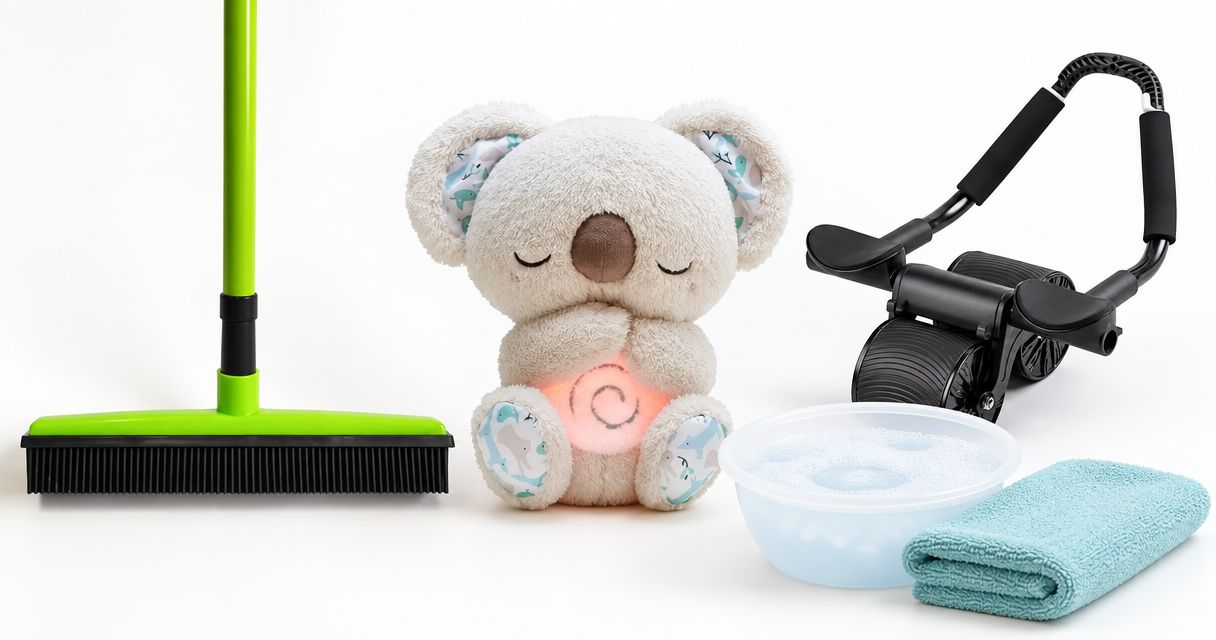
Yes, you can clean a breathing stuffed animal, but wash it only by the method allowed on its care label; never immerse an electronic unit or assume the whole toy is machine washable. If the instructions are missing, avoid soaking or machine washing, and ask the seller how to clean the fabric without wetting the mechanism.
- How to wash a breathing stuffed animal depends on its care label, removable parts, and electronic mechanism.
- A removable battery does not make the remaining toy washable.
- Wash a removable fabric cover only as directed; keep the electronic unit dry.
- Rustic Rose Market shoppers should check cleaning instructions before choosing a breathing plush as a gift.
Can you wash a breathing stuffed animal?
You can wash only the parts that the manufacturer identifies as washable. A zipper, battery opening, or removable sound module is not permission to put the entire stuffed animal in water. The fabric, filling, and moving mechanism can have different care requirements.
If you are choosing a present rather than cleaning one you already own, this guide to choosing a breathing stuffed animal as a gift provides a useful starting point. Ask about cleaning before the toy becomes a much-loved companion.
Use this comparison to separate the cleaning methods. These are conditional choices, not interchangeable treatments.
| Cleaning method | Best for | Main advantage | Important limitation |
|---|---|---|---|
| Surface cleaning | Local marks on a toy labeled for surface cleaning | Treats the affected fabric without immersing the toy | Does not clean the inside of the filling |
| Washing a removable cover | A cover explicitly labeled washable | Lets you clean the separate fabric while keeping electronics away | A removable cover is not automatically washable |
| Machine washing | A fabric component explicitly labeled machine washable | Follows a defined laundering method | The wrong cycle, heat, or remaining mechanism can cause damage |
For this 2026 care guide, the deciding evidence is the instruction supplied with your particular toy—not another plush animal's washing routine.
Why this matters
Breathing stuffed animals combine soft fabric with a powered mechanism. Cleaning the outside and protecting the mechanism are separate jobs, and treating the toy like an ordinary stuffed animal overlooks that difference.
Removing batteries does not make electronics waterproof. Water can still reach a motor, wiring, or battery contacts. A toy that looks dry on the outside can also retain moisture inside its filling.
Choose the least wet method that the care instructions allow and that addresses the actual mess. A small surface mark does not call for soaking the entire toy.
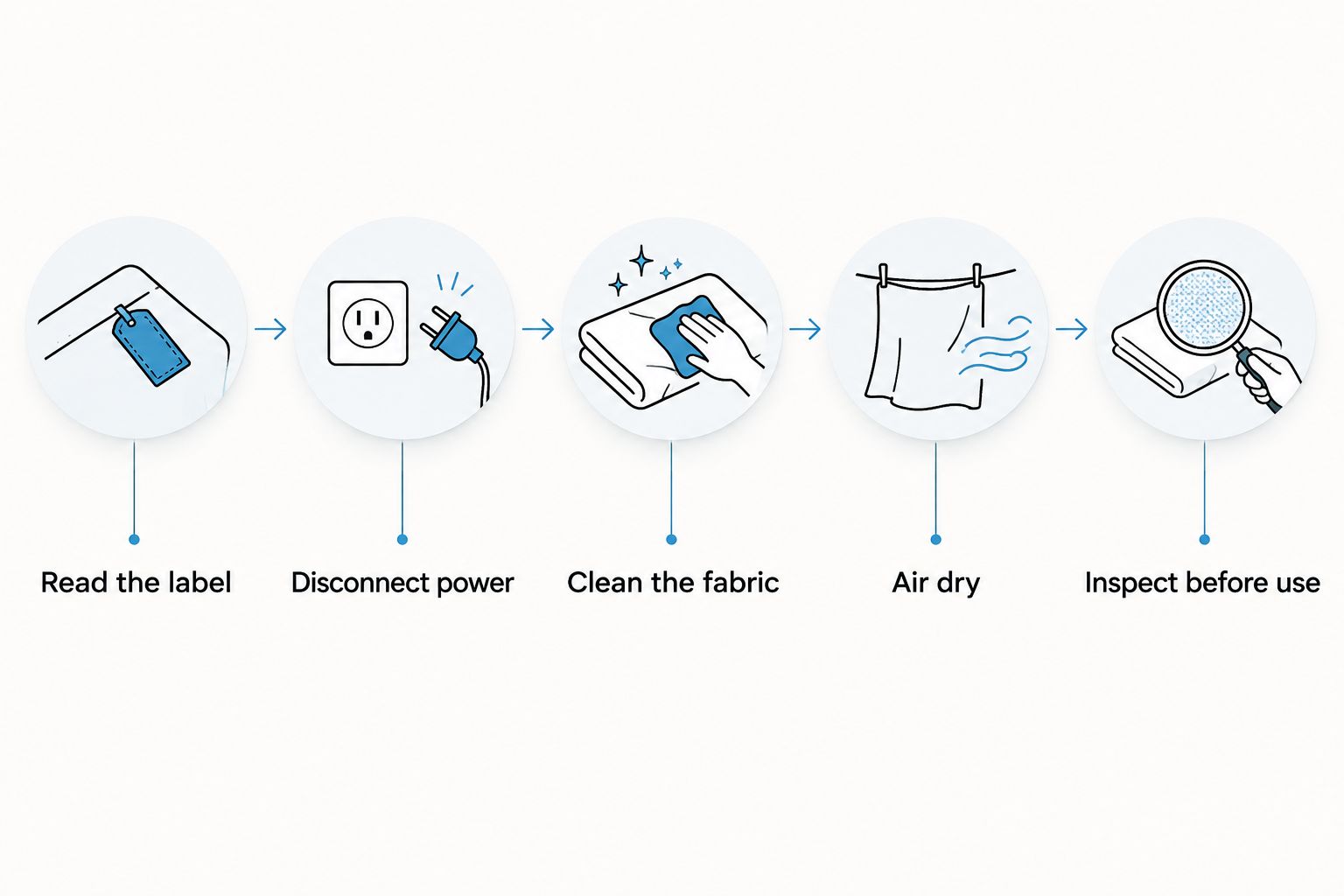
How to wash a breathing stuffed animal, step by step
1. Read the label
Find the sewn-in care label, packaging instructions, or manufacturer-provided directions. Look for separate instructions covering the outer fabric, filling, and electronic unit; a general description such as soft or cuddly tells you nothing about washability.
Check whether the instructions permit surface cleaning, hand washing, or machine washing. Also check for restrictions on detergent, water temperature, drying, and removing internal parts.
For a toy purchased in 2026, keep a photo of its care instructions with your purchase information. That gives you a reference if the paper insert disappears or the fabric label becomes difficult to read.
If the directions are unclear, stop before adding water. Ask the seller whether the whole fabric body is washable or only a separate cover.
2. Disconnect power
Switch the toy off before cleaning. Remove replaceable batteries when the instructions allow it, and set them somewhere dry and away from children.
If the toy has a removable electronic unit, follow the removal directions rather than pulling on the mechanism or its wires. Keep the unit away from the cleaning area so it cannot receive a splash.
Do not pry open a sealed rechargeable unit or cut stitches to reach a mechanism. If the electronics are not designed to come out, that limits your cleaning choices; it does not create a reason to force them out.
3. Clean the fabric
Follow the approved method for the part you are cleaning. For permitted surface cleaning, use a soft cloth dampened with the cleaning solution specified in the instructions, and wring it out so it is not dripping.
Test an inconspicuous area before treating a visible mark. If color transfers, the texture changes, or the fabric reacts poorly, stop and ask for care advice.
Work gently on the affected area rather than scrubbing hard or saturating the stuffing. Keep moisture away from openings, switches, seams around the mechanism, and the battery compartment.
For a washable removable cover, follow its own washing instructions exactly. Do not include the electronic unit, and do not assume a laundry bag overrides a restriction against machine washing.
4. Air dry
Follow the labeled drying method. Where air drying is directed, place the cleaned fabric in a ventilated location and keep the electronic unit separate.
Do not substitute a hair dryer, radiator, or tumble dryer unless the instructions explicitly permit that method. Heat that feels convenient for drying can be unsuitable for the toy's fabric, trim, or internal parts.
There is no universal drying time for a breathing stuffed animal. The amount of moisture, thickness of the fabric, and room conditions all affect drying. Do not reinstall electronics simply because the outside feels dry.
5. Inspect before use
Check the cleaned fabric, seams, closures, and accessible compartments before reassembly. Look for dampness, loose stitching, detergent residue, or anything that no longer fits as it should.
Reinstall the electronic unit and batteries only as directed and only after the cleaned components are fully dry. Secure the battery compartment and other closures before returning the toy to use.
If liquid reached the electronic unit, do not switch it on to see whether it still works. Keep it disconnected and seek instructions from the manufacturer or seller.
Why cleaning instructions vary between breathing stuffed animals
Similar-looking plush animals do not necessarily have the same construction. Use these differences to understand why one toy's washing instructions cannot stand in for another's.
- Electronic-unit removal: A unit designed to come out allows different access than a mechanism sewn into the body.
- Cover construction: A detachable cover separates the outer fabric from the rest of the toy, but still needs its own care instructions.
- Fabric and trim: Fur, embroidered details, attached decorations, and different textiles can require different treatment.
- Filling: Moisture can reach beyond the visible surface, so a dry-looking exterior does not establish that the inside is dry.
- Power arrangement: Replaceable batteries and sealed rechargeable components require different handling; follow the instructions for your version.
When comparing breathing plush toys in 2026, ask about these details instead of relying on a photograph. Appearance cannot tell you whether an internal unit is removable or a cover is washable.
What should you do about stains, odors, and larger spills?
Small surface marks
For a toy labeled for surface cleaning, treat the marked fabric without wetting the entire body. Use the approved cleaning solution and remove any residue according to the care directions.
Avoid increasing pressure or adding more liquid just because the first pass does not remove everything. An old mark can remain even after appropriate cleaning; preserving the fabric and mechanism matters more than forcing a perfect finish.
Lingering odors
Check that the toy is fully dry and consider where the odor is coming from. An odor inside the filling is not necessarily something a surface wipe can address.
Do not cover the smell with perfume or saturate the toy with a household spray. If the allowed cleaning method does not resolve it, ask the manufacturer about further care or replacement rather than repeatedly wetting the toy.
Spills near the mechanism
Switch the toy off and disconnect power as the instructions allow. Blot accessible surface moisture gently without pressing liquid farther into the body.
If liquid entered the battery compartment or electronic unit, keep the toy out of use. Do not charge it, operate it, or apply heat as an improvised repair.
Mold or significant contamination
Keep a toy with visible mold or significant contamination out of use. A quick wipe is not proof that the filling or inaccessible areas are clean.
Ask whether the manufacturer provides a suitable cleaning method. If the contaminated parts cannot be cleaned as directed, replacing the toy is a more appropriate decision than treating it as ready for use.
Can you put a breathing stuffed animal in the washing machine?
Machine wash only a component whose care label explicitly permits machine washing. Remove all parts the instructions identify as nonwashable, and follow the specified cycle and drying method.
A gentle cycle still exposes the item to water and movement. Neither a pillowcase nor a mesh bag makes a nonwashable breathing mechanism suitable for the machine.
Can you wash it after taking the batteries out?
Taking the batteries out does not make a breathing stuffed animal washable. The motor, wiring, speaker, or other electronic parts can remain inside after the batteries are removed.
Check whether the entire electronic assembly is designed to be removed and whether the remaining fabric body is explicitly washable. Both questions matter.
How do you clean a breathing stuffed animal without a care label?
Without a care label, avoid immersion and machine washing until you get instructions for the exact toy. Look for identifying information on its packaging or purchase record, then ask the seller how to clean it.
Even advice for a visually similar animal is not confirmation. A different internal mechanism or fabric can change the appropriate method.
What should you check before buying another breathing plush?
For a 2026 purchase, put care instructions alongside appearance on your shopping checklist. An appealing toy is easier to look after when you understand its limits before bringing it home.
Ask whether the electronic unit comes out, which fabric parts can be cleaned, and how those parts should dry. Also check the stated age guidance and how the battery compartment closes.
Rustic Rose Market is a small, faith-driven business serving everyday shoppers looking for practical home and family goods. When browsing Rustic Rose Market, use the same standard you would anywhere: choose a breathing stuffed animal with clear care instructions, not an unsupported washable claim.
For Rustic Rose Market breathing-plush shoppers, the limitation is straightforward: a product's soft appearance does not establish machine washability. Confirm the cleaning method for the exact item before choosing it as a gift.
FAQ
Can I wash the whole breathing stuffed animal?
Wash the whole breathing stuffed animal only if its instructions explicitly allow it after any required parts are removed. Otherwise, follow the approved method for its separate fabric components or surface.
Is hand washing safer than machine washing?
Hand washing is not suitable unless the care instructions permit it. Immersing a toy by hand still exposes any remaining electronics and filling to water.
Can I use baby wipes on a breathing stuffed animal?
Use wipes only if the toy's care instructions allow that type of cleaner. Wipes contain different ingredients and are not automatically suitable for plush fabric or areas near electronics.
Can I put a breathing stuffed animal in the dryer?
Use a dryer only if the instructions explicitly allow it for the component you are drying. Keep electronic parts out, and follow any stated heat restrictions.
How long should a breathing stuffed animal dry before I turn it on?
There is no universal drying time for a breathing stuffed animal. Follow its instructions and reconnect power only when all cleaned components are fully dry; seek advice if the electronics got wet.
Does surface cleaning disinfect a breathing stuffed animal?
Surface cleaning is not the same as disinfection. Do not assume a damp cloth or ordinary detergent disinfects the toy, and do not apply disinfectant unless the care instructions permit it.
What should I do if the breathing mechanism gets wet?
Keep the breathing mechanism disconnected and do not operate or charge it. Ask the manufacturer or seller for instructions rather than using heat or testing it while moisture could remain.
One last thing
Before the next cleaning day in 2026, photograph the care label and the correct position of any removable unit. A simple reference helps you avoid guessing during reassembly.
A zipper gives you access, not washing permission. Check what is meant to come out—and what is allowed to get wet—before reaching for the sink.