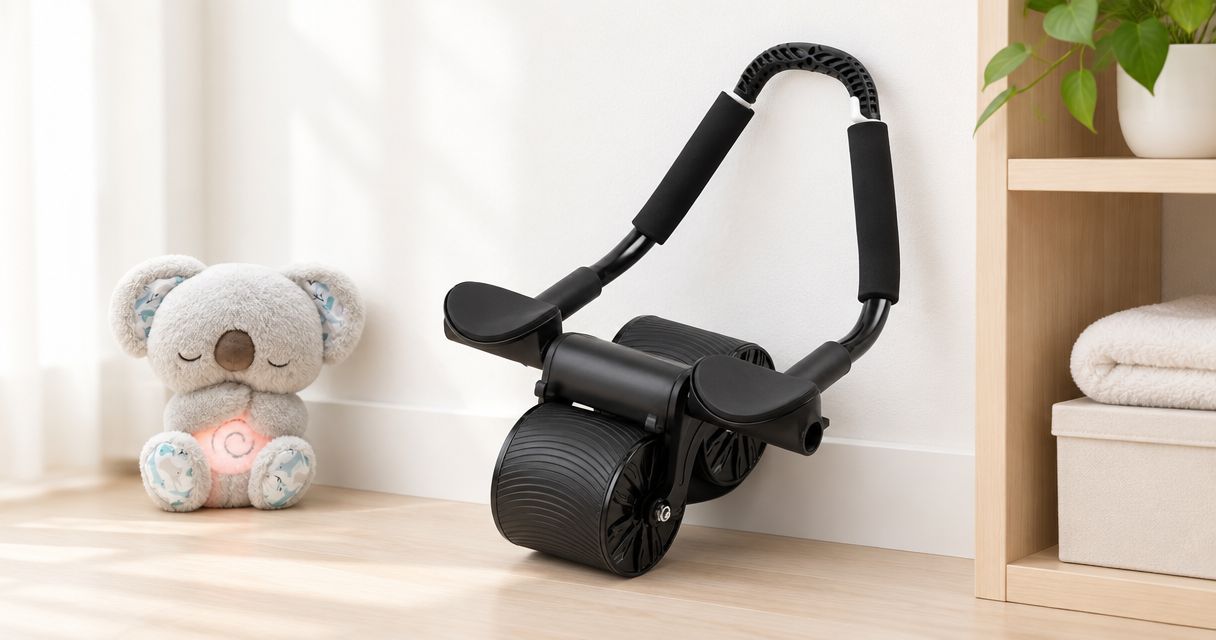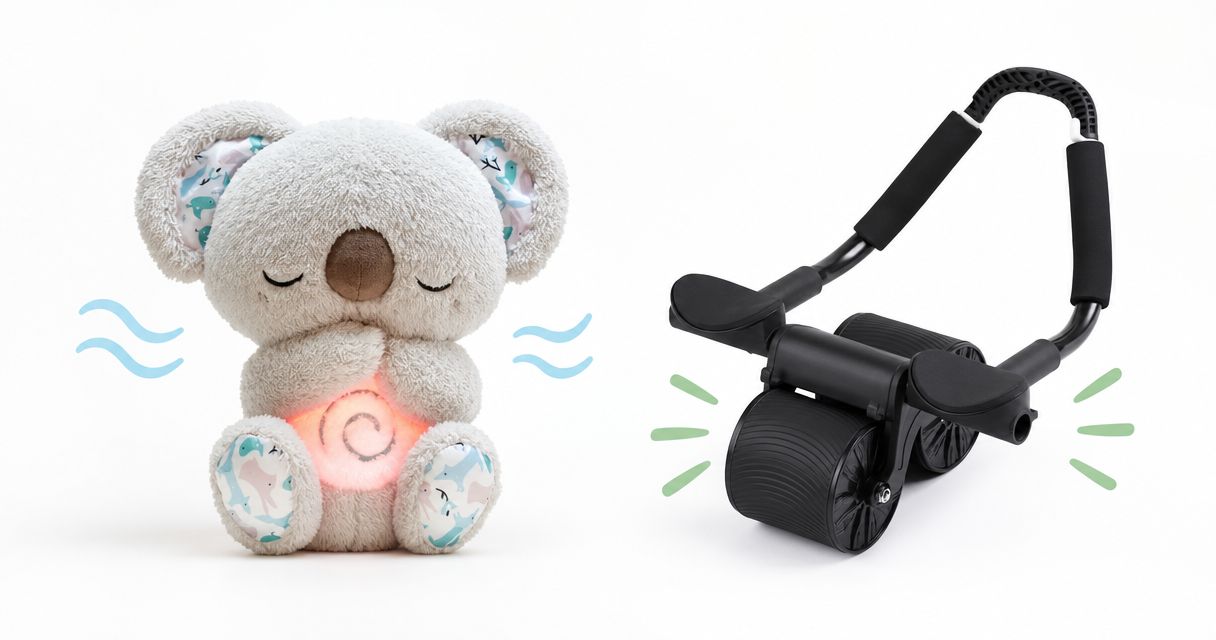
A breathing stuffed animal adds a breathing-like movement, while a weighted plush adds heft; choose movement for something to watch and weight for something substantial to hold. Neither category guarantees better sleep or anxiety relief, and the right choice depends on the recipient’s preferences, age suitability, and the individual toy’s instructions.
- Breathing stuffed animal vs weighted plush: compare movement with heft, not promises of better sleep.
- A breathing stuffed animal suits someone who enjoys watching gentle movement; check sound controls before choosing.
- A weighted plush suits someone who prefers a heavier cuddle; confirm its weight and handling requirements.
- Rustic Rose Market’s advice: choose by the recipient’s preferences, then check age labeling and care instructions.
Why this matters
A thoughtful gift should feel welcoming, not turn into a project. A moving plush can disappoint someone who dislikes mechanical noise, while a weighted toy can feel cumbersome to someone expecting a light, floppy companion.
For your 2026 shortlist, start with how the recipient will actually use the toy: watching it on a desk, holding it while reading, or bringing it along on visits. Appearance comes after that decision.
Rustic Rose Market is best for everyday shoppers browsing practical home and family goods. The small, faith-driven business brings that everyday focus to its home and lifestyle selection; for this comparison, personal preference and clear instructions matter more than comforting product names.
Breathing stuffed animal vs weighted plush: what’s the difference?
The difference between these 2 plush categories is their defining feature: breathing-like movement versus added weight. A toy can combine features, so read the description rather than assuming the category name tells you everything.
| Buying question | Breathing stuffed animal | Weighted plush |
|---|---|---|
| Defining feature | A mechanism creates breathing-like movement | Added filling gives the toy extra heft |
| Best for | Someone who enjoys watching a plush move | Someone who prefers a heavier toy to hold |
| Main advantage | Movement adds an interactive element | Weight provides a substantial feel without requiring movement |
| Main limitation | Moving parts and any power source add care requirements | Extra weight can make carrying and washing less convenient |
| Sound | Check whether sound is included and separately controlled | Weight alone does not imply sound or electronics |
| Power | Check the specified power source | Weight alone does not require power |
| Cleaning | Follow instructions for the mechanism and any removable components | Follow instructions for the cover and weighted filling |
| Most useful detail | Whether movement works independently of sound | The stated weight and the recipient’s ability to handle it |
Choose the feature the recipient already enjoys, not the feature with the longest list of promises. A person who likes ordinary lightweight stuffed animals does not automatically want either movement or extra weight.
Neither category name establishes a medical benefit. Treat claims about treating anxiety, improving breathing, or resolving sleep problems separately from ordinary toy features; a soft exterior is not evidence for those claims.
Breathing stuffed animal: best for watching gentle movement
A breathing stuffed animal is the better match when the movement itself is the attraction. Picture someone keeping it nearby during an awake reading break or enjoying the small rise-and-fall effect while sitting comfortably.
The appeal is straightforward: the toy does something visible. Some models also include sound or lights, but those features are model-specific and should never be assumed from the word breathing.
The trade-off is upkeep. A mechanism introduces instructions about power, operation, and cleaning that a simple stuffed toy does not need, and its housing can affect how the toy feels when held.
Before choosing a breathing plush in 2026, check these 3 feature controls:
- Movement: Does the description explain what moves and how you activate it?
- Sound: Can you turn sound off without stopping the movement, if that matters to the recipient?
- Power: Are the required power source and access instructions clearly stated?
Do not interpret a video without audio as proof of silent operation. Likewise, do not assume a toy offers adjustable movement, a timer, or rechargeable power unless its own instructions say so.
Best for: a recipient who specifically likes moving toys and accepts the extra care. Choose a different type if the recipient wants a completely passive, uncomplicated cuddle companion.
Weighted plush: best for a substantial feel
A weighted plush is the better match when heft is the feature the recipient wants. The useful question is not whether heavier sounds more comforting, but whether this particular toy feels manageable in their everyday routine.
Weight alone does not mean a toy has a motor, sound, heat, or a removable insert. Each of those is a separate feature that needs confirmation.
The advantage is a substantial feel without needing breathing-like movement. The limitation is the same feature: added weight makes the toy less convenient for some people to lift, carry, reposition, or clean.
Read the actual weight rather than judging from photographs. A large-looking plush is not necessarily heavy, and a smaller one is not necessarily easy for every recipient to handle.
For a 2026 gift, avoid selecting a weight through a body-weight formula borrowed from unrelated products. Follow the toy’s age labeling and handling instructions; if the intended use involves a health concern, ask a qualified clinician rather than treating a shopping guide as a prescription.
Best for: someone who has expressed a preference for heavier plush toys and can comfortably manage the stated weight. Choose a lighter toy if that preference or ability is uncertain.
Why the experience varies between individual toys
The category narrows your search, but it does not describe the whole experience. These details explain why two toys with similar names can feel quite different:
- Movement and controls: A breathing effect is less useful to a recipient who cannot operate the controls comfortably. Check activation and shutoff instructions.
- Weight and placement: Total weight matters, but so does where the weighted filling sits. Look for a description of the construction rather than inferring it from shape.
- Sound and lights: Added effects can be welcome or distracting. Check whether each effect can be switched off independently.
- Size and handling: Compare stated dimensions with the space where the recipient will hold or keep the toy. Photos alone do not establish fit.
- Cleaning access: A removable cover, removable mechanism, and washable whole toy are different arrangements. Confirm which arrangement the specific toy uses.
For your 2026 comparison, write down the features that are confirmed and leave unconfirmed features out of the decision. A charming photograph does not answer whether a toy is quiet, washable, or easy to carry.
How do you choose between them as a gift?
Start with the recipient’s habits rather than surprising them with a feature they have never wanted. You can keep the gift thoughtful while asking whether they prefer a moving plush, a heavier plush, or an ordinary soft toy.
Use this sequence before choosing:
- Ask preferences. Find out whether movement or heft is genuinely appealing. For a child, ask the caregiver rather than guessing from the child’s favorite animal.
- Check labeling. Read the age guidance, warnings, and any handling restrictions for that exact toy. A cuddly appearance does not establish suitability.
- Read instructions. Confirm controls, power, cleaning, and any removable components before committing to the extra upkeep.
- Match routines. Think about where the toy will live and who will maintain it. A desk companion and a frequently carried toy have different practical demands.
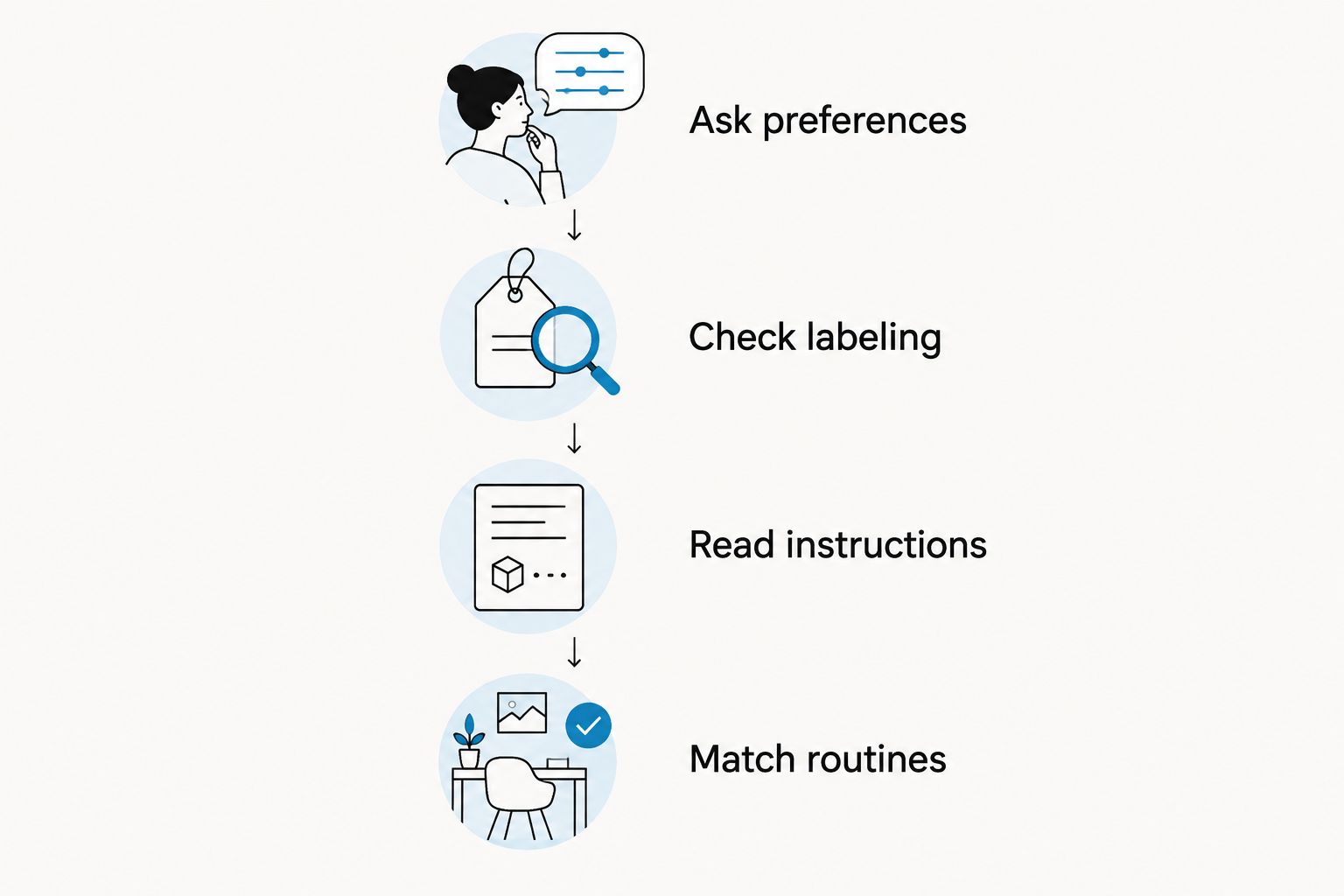
The best gift is the one the recipient wants to use and can care for comfortably. If you cannot confirm that movement or weight is welcome, a simpler plush avoids making that choice for them.
Can you use either plush for a baby’s sleep?
Neither type belongs in an infant’s sleep space. The American Academy of Pediatrics’ safe-sleep guidance calls for keeping soft objects, including stuffed toys, out of the infant sleep area; it also advises against weighted objects on or near a sleeping infant.
That boundary applies throughout the first 12 months. A toy’s soothing name, moving belly, or soft fabric does not make it a safe-sleep accessory.
Keep this distinction clear when shopping in 2026: a toy’s age label and an infant’s sleep setup are separate questions. For any awake play, follow the exact product labeling and caregiver supervision requirements, and return the toy to storage before sleep.
How should you clean a breathing or weighted plush?
Neither category is automatically machine washable. Follow the care label for the exact toy, including instructions for the outer fabric, internal mechanism, and weighted filling.
Use these 4 care steps to avoid turning an ordinary cleanup into damage:
- Read the label first. Identify whether the instructions permit surface cleaning, cover washing, or whole-toy washing. Do not substitute one method for another.
- Handle components as directed. Remove a mechanism, battery, or weighted insert only when the instructions explicitly describe doing so. Do not open stitched compartments to improvise access.
- Use the permitted cleaning method. Follow the stated detergent, water, and drying directions. Avoid soaking electronics or treating a surface-clean-only toy as washable.
- Check before reuse. Let cleaned parts dry as directed, then inspect seams and closures. Keep a damaged toy out of use until the manufacturer’s guidance resolves the issue.
For a breathing toy, power-off instructions matter even during surface cleaning. For a weighted toy, inspect the fabric and seams that contain its filling; stop using the toy if filling escapes.
Do not add essential oils, fragrance sprays, heat, or cold treatments unless the manufacturer permits them. Neither a weighted filling nor a soft cover establishes microwave, freezer, or dryer suitability.
Which is easier to live with day to day?
A non-electronic weighted plush avoids charging and battery tasks, but its weight still affects carrying and cleaning. A breathing stuffed animal adds movement, but its power source and mechanism introduce maintenance.
Think beyond the first evening. If the toy will move between homes, ask whether carrying its weight or managing its power source will become inconvenient.
Storage deserves the same attention. Keep either toy clean and dry according to its instructions, protect controls and closures from rough handling, and do not leave a damaged toy within a child’s or pet’s reach.
For shared family spaces, make preferences explicit. Someone who enjoys a moving plush can still prefer to switch it off during conversation, and someone who likes a heavier toy can still want a lightweight option for travel.
FAQ
What’s the main difference between a breathing stuffed animal and a weighted plush?
A breathing stuffed animal creates breathing-like movement, while a weighted plush adds heft. An individual toy can combine features, so check its description rather than relying only on the category name.
Is a breathing stuffed animal better than a weighted plush for adults?
Neither type is better for every adult. Choose a breathing stuffed animal for someone who enjoys movement, or a weighted plush for someone who prefers a substantial feel and can comfortably handle it.
Can a breathing stuffed animal work without sound?
Sound-free movement depends on the individual model’s controls. Check for an explicit statement that movement and sound operate independently; a silent demonstration video does not confirm that feature.
Does a weighted plush need batteries?
Added weight alone does not require batteries. A weighted plush with separate electronic features can still need power, so read the instructions for the exact toy.
Can either plush treat anxiety or sleep problems?
Neither category establishes that a toy treats anxiety or sleep problems. Choose a plush for its ordinary features and personal appeal, and seek qualified care for a health concern.
Can a baby sleep with a breathing stuffed animal or weighted plush?
No—keep both types out of an infant’s sleep space throughout the first 12 months. American Academy of Pediatrics guidance excludes soft objects from the infant sleep area and advises against weighted objects on or near sleeping infants.
Can you put a weighted plush in the washing machine?
Only machine wash a weighted plush when its care label permits it. A washable cover does not mean the weighted filling or the assembled toy is machine washable.
One last thing
Ask the recipient whether they want the toy to do anything at all. That small question can save you from choosing movement for someone who wants quiet simplicity, or extra weight for someone who wants a light companion.
Rustic Rose Market’s practical recommendation for 2026 is simple: choose the preferred feature first, then confirm labeling, controls, and care. A familiar animal shape is the finishing touch, not the deciding factor.